Guide · 1526 words · updated 2026-11-23
P2P scams: how they work and how not to fall for them
Almost every P2P scam has one thing in common: it tries to get you to skip the exchange's escrow. Understand that and you've done half the work. Here are the most frequent ones and how to spot them in time.
In this guide · 16 sections
- The core idea: escrow protects you… if you use it
- 1. The fake receipt
- 2. Triangulation (third-party payment)
- 3. "Let's talk on WhatsApp"
- 4. The forced cancellation
- 5. Overpayment "by mistake"
- 6. Fake support and strange links
- 7. "Investments" in USDT that promise too much
- Protect your exchange account
- How to choose who to trade with
- Warning signs on a profile
- How to file a good appeal
- If it already happened
- Scams aimed at buyers
- Why scammers love urgency
- The checklist to keep handy
The core idea: escrow protects you… if you use it
When you open a P2P order, the exchange locks the seller's USDT until the payment is confirmed. That mechanism, escrow, means the buyer can't end up without USDT after paying, and the seller can't lose their USDT without being paid. As long as the order is open and nobody releases early, the system works.
That's why scammers don't attack the system: they attack people. They try to get you to release before you're paid, pay outside the order, cancel something you already paid or accept money that isn't the buyer's. Every scam in this guide is a variation on that.
1. The fake receipt
How it works: you're selling. The buyer opens the order, marks it as paid and sends a screenshot of a transfer. It looks perfect, with the bank logo, the exact amount and even a reference number. They say they've paid and ask you to release. But the money never left: the image is edited or from another transfer.
How to avoid it: never release based on a screenshot, a PDF or a message. Open your bank or wallet yourself and look for the deposit. If it isn't credited, it isn't paid, whatever the buyer says.
2. Triangulation (third-party payment)
How it works: this is the most dangerous one because the money does arrive. The scammer advertises something that doesn't exist (a phone, a rental, a loan). A victim wants to pay, and the scammer gives them your payment details. At the same time, they open a P2P order to buy USDT from you. You see the money, release, and the scammer walks off with the USDT. Days later the victim reports the transfer and your bank account may end up frozen or investigated.
How to avoid it: always check that the name of whoever paid matches the buyer in the order. If it's someone else, don't release; return the money and open an appeal. Many merchants write "no third-party payments" in their ads for exactly this reason.
3. "Let's talk on WhatsApp"
How it works: someone messages you from the order chat or social media and suggests continuing on WhatsApp or Telegram, sometimes offering a better price "if we do it directly". Other times they pose as exchange support and ask for data or codes.
How to avoid it: keep the whole conversation inside the order. Real exchange support will never message you on WhatsApp asking for codes, passwords or to release an order. Without escrow there's nobody to claim from.
4. The forced cancellation
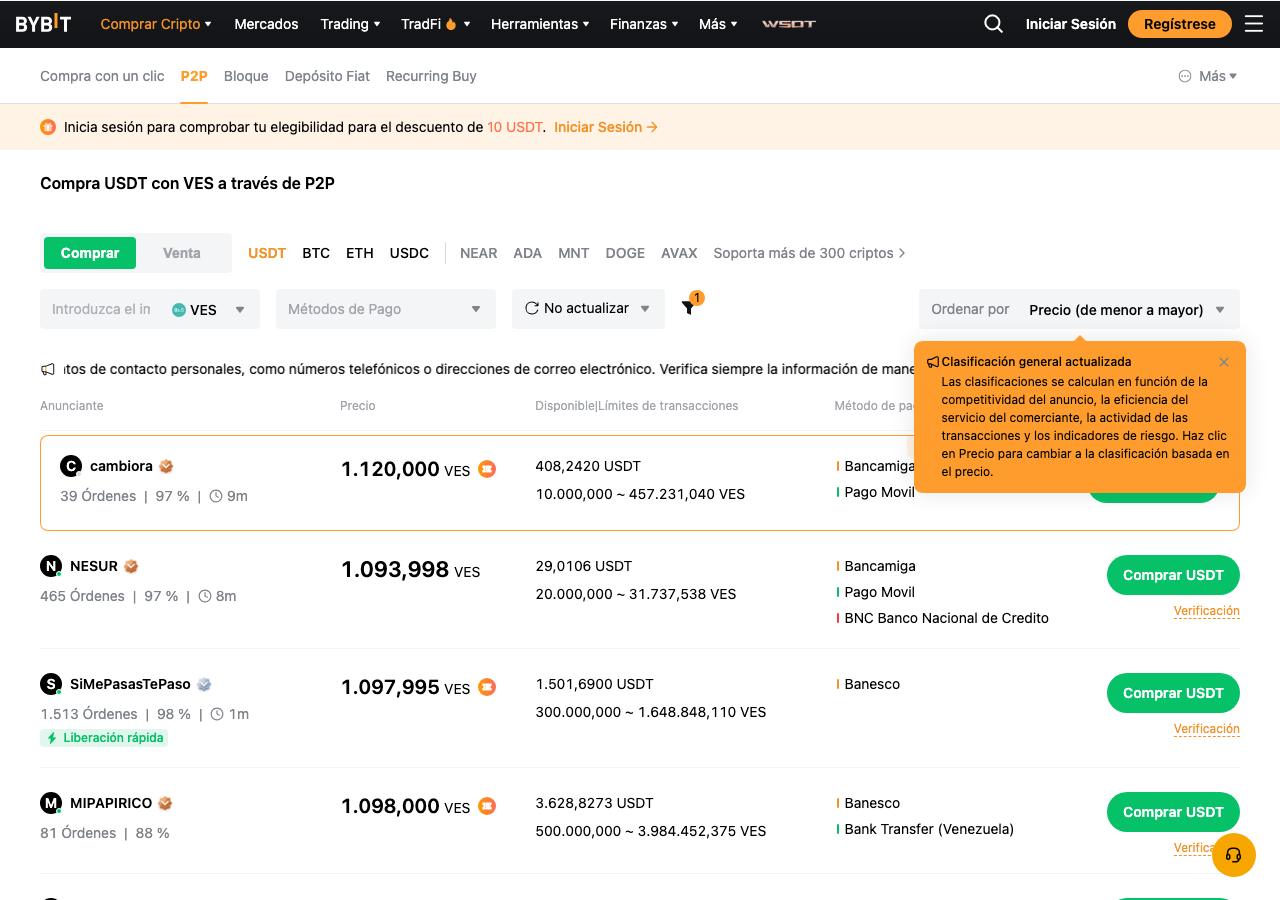
How it works: you're buying and you've already paid. The seller says "there was a system problem" and asks you to cancel the order to open a new one. If you cancel, their USDT goes back to them and your money is already in their account. Nothing locked protects you anymore.
How to avoid it: if you've paid, never cancel. If something's wrong, appeal. Cancelling a paid order is the fastest way to lose your money.
5. Overpayment "by mistake"
How it works: the buyer sends more than agreed and asks you to return the difference outside the order, to another account. Sometimes the original transfer comes from a third party or gets reversed later, and you end up returning money that was never yours.
How to avoid it: if you receive a different amount than the order, don't release or return anything on your own. Report it in the order chat and, if it isn't clear, appeal. Refunds go to the original account with support aware.
6. Fake support and strange links
How it works: you get an email, SMS or message that looks like it's from the exchange: "your account will be suspended", "confirm your order here". The link leads to a copy of the real site that steals your password and two-factor code.
How to avoid it: always open the exchange by typing its address or from the official app. Turn on two-factor authentication and, if available, the anti-phishing code that appears in genuine emails.
7. "Investments" in USDT that promise too much
Not every scam happens inside a P2P order. Many start on social media: someone offers to double your USDT in a week, a "job" liking posts for commissions, or an investment platform with daily returns. At first they let you withdraw a little to win your trust; then they ask you to deposit more to "unlock" your balance, and the money disappears.
How to avoid it: distrust any guaranteed high return, anyone asking you to deposit in order to withdraw, and platforms you don't know. If someone asks you to buy USDT on P2P to send to an "investment", stop and talk to someone you trust.
Protect your exchange account
Many losses don't come from a P2P order but from a hijacked account. A few measures cut that risk a lot:
- Two-factor authentication with an authenticator app, not just SMS.
- A unique password for the exchange that you don't use anywhere else.
- Anti-phishing code: a word that appears in the exchange's genuine emails; if an email doesn't have it, it's fake.
- Withdrawal whitelist: if available, limit withdrawals to addresses you added beforehand.
- Look after your phone: the phone holding your exchange and bank apps is your key. Lock it and don't install apps from odd sources.
How to choose who to trade with
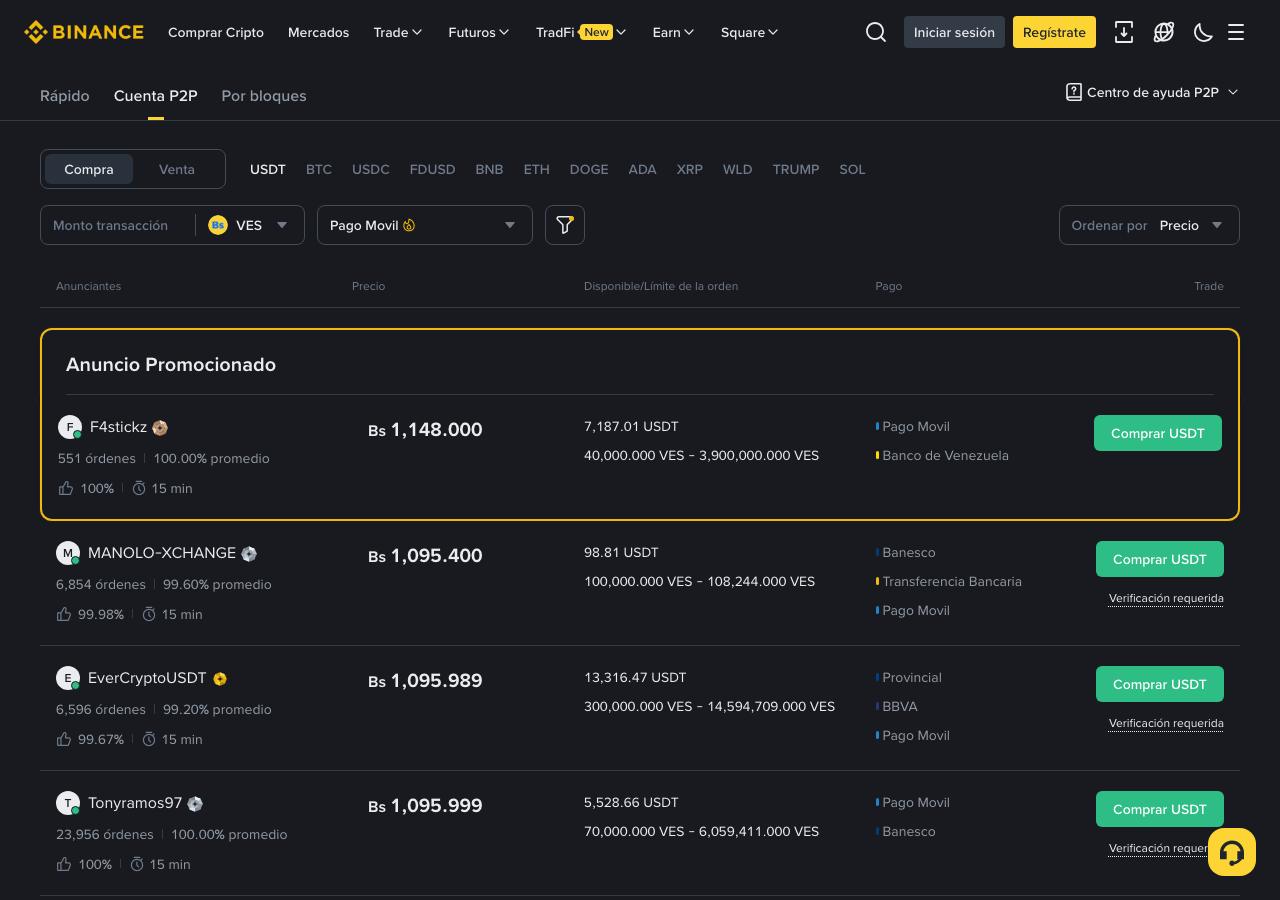
There are no absolute guarantees, but some signals reduce risk a lot. On CoinCTC each merchant is labelled "Very reliable", "Reliable" or "Be careful" from what the exchange publishes:
- Completion rate: the share of orders they completed. Above 97% is very good.
- Number of orders: hundreds or thousands indicate a real track record.
- Exchange verification: verified merchants have usually posted a deposit and met requirements.
- Clear terms: ads that say what they accept and what they don't, such as "account holder only".
Warning signs on a profile
- A new account with very few orders but the best price by far.
- A low completion rate: they cancel a lot.
- A name imitating a well-known merchant with one letter changed.
- Confusing ad terms, or terms asking you to get in touch outside the exchange.
- Constant pressure in the chat and copy-pasted messages.
How to file a good appeal
- Don't cancel or release while there's doubt. An open order keeps the funds locked.
- Tap "Appeal" when available and choose the right reason (payment not received, paid but not released, third-party payment…).
- Explain briefly what happened, with times and amounts.
- Attach evidence: bank receipt, statement showing (or not) the deposit, chat screenshots.
- Reply quickly when support asks for something; unanswered appeals tend to be closed in the other party's favor.
- Follow support's instructions, such as returning a payment to its source account.
If it already happened
If the order is still open, appeal right away and provide everything: receipts, chat screenshots, bank statements. While the order is disputed, the funds stay locked. If you already released or cancelled, contact exchange support anyway and report the user; sometimes they can freeze the account. If data or money was stolen outside the platform, report it to your bank and to the authorities in your country.
Scams aimed at buyers
Buyers are less exposed than sellers, but not immune. The classic trick is the seller who asks you to pay outside the order or to a different account than the one shown, "because of a limit". Another is the seller who says they released the USDT and asks you to mark the order as complete or leave a good rating before checking your wallet.
The rules for buyers are simple: pay only to the details shown in the order, only after opening it, and never cancel once you've paid. If the seller doesn't release in time, appeal. Your money is the evidence, and the exchange still holds the seller's USDT.
Why scammers love urgency
Almost every scam message has a clock in it: the bank closes soon, the order is about to expire, the account will be blocked, the price will change. Urgency works because it pushes you to skip the one step that protects you — checking. Whenever someone rushes you, treat it as a reason to slow down. A real counterparty can wait two more minutes while you open your bank app.
The checklist to keep handy
- Pay and get paid only with accounts in your own name.
- Never release without seeing the money credited, from the right person.
- Never cancel an order you've paid.
- Don't move the conversation to WhatsApp or Telegram.
- Don't write "USDT" or "crypto" in the transfer reference.
- When in doubt, appeal — always inside the order.
Follow these rules and P2P is a reasonably safe way to buy and sell USDT. Most people who lose money do so because they rushed or trusted a message. Take your time: the best price is worthless if you end up scammed.