Guide · 1543 words · updated 2026-11-23
What is the crypto dollar (and why it isn't worth the same as the official dollar)
It's what people pay for one USDT — a digital dollar — when they buy it from someone else. No bank sets it: it comes out of thousands of ads that change every minute. Here's how it works, plainly.
In this guide · 11 sections
- First things first: what is USDT?
- So what is the "crypto dollar"?
- Why isn't it worth the same as the official dollar?
- Buy price and sell price are not the same
- How to read the price before you trade
- Watch the network when you send USDT
- Is buying the crypto dollar legal?
- Crypto dollar, blue, MEP… which is better?
- Why USDT became so popular in Latin America
- Is the crypto dollar legal?
- In short
First things first: what is USDT?
USDT, also known as Tether, is a cryptocurrency designed to always be worth one US dollar. Unlike bitcoin, which moves up and down every day, USDT aims to stay put at one dollar. That's why it's called a stablecoin.
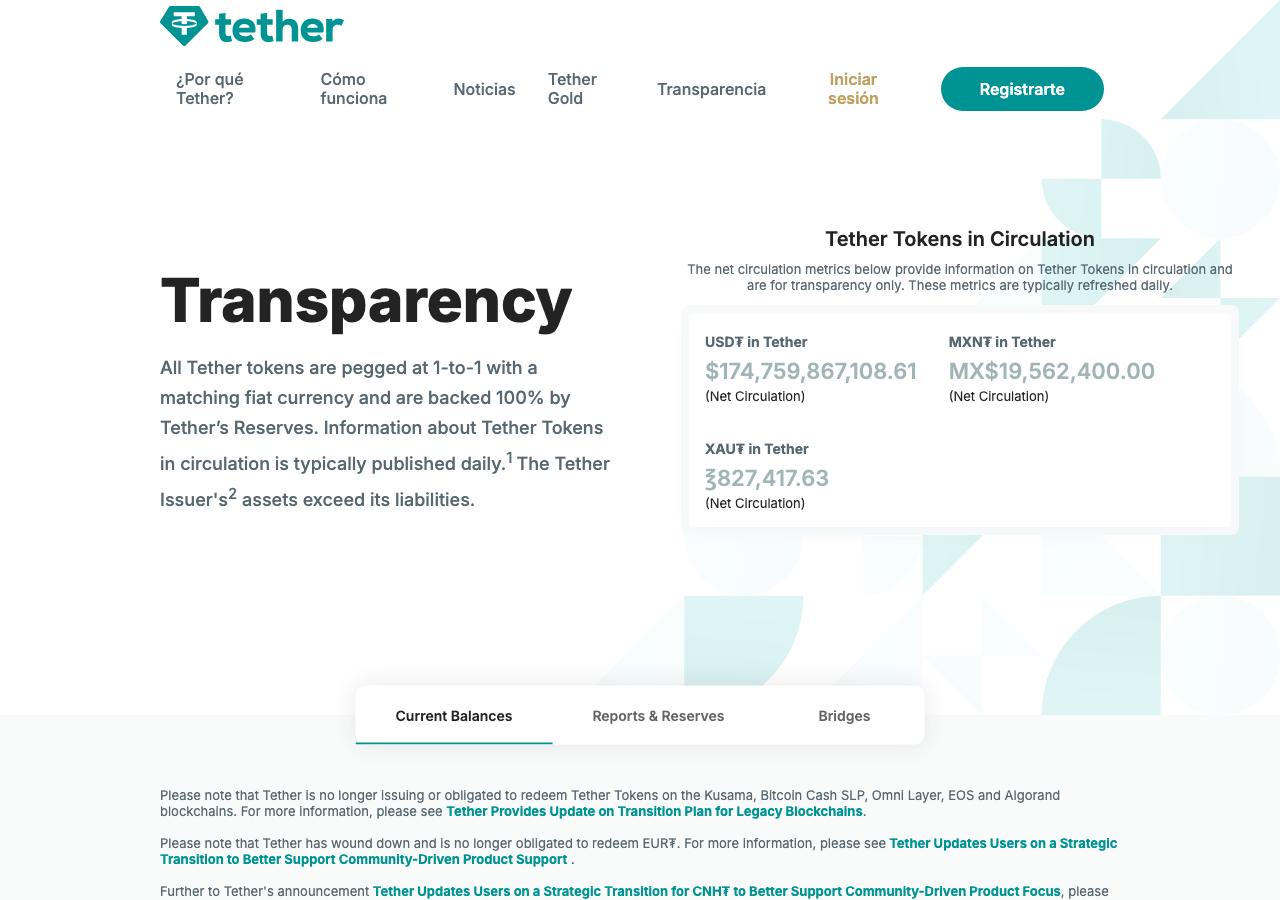
It's issued by a company called Tether, which says each USDT is backed by reserves: cash, US Treasury bills and other assets. Its transparency page publishes how many USDT are in circulation; at the time of writing it was more than 170 billion. It is by far the most used stablecoin in the world, and the one that moves most on Latin American P2P markets.
In practice, USDT is a dollar that lives on your phone. You can keep it in your account on an exchange such as Binance, OKX or Bybit, send it to someone else in seconds, or sell it when you need pesos, bolívares or soles. You don't depend on a bank selling you dollars or on having bills at home.
So what is the "crypto dollar"?
USDT is worth a dollar in the United States, but in your country you have to buy it with local money. That raises the key question: how many pesos (or bolívares, or soles) do you pay for each USDT? That number is what Argentines call the dólar cripto, what many in Venezuela and Bolivia call the dólar Binance, and elsewhere simply "the USDT price".
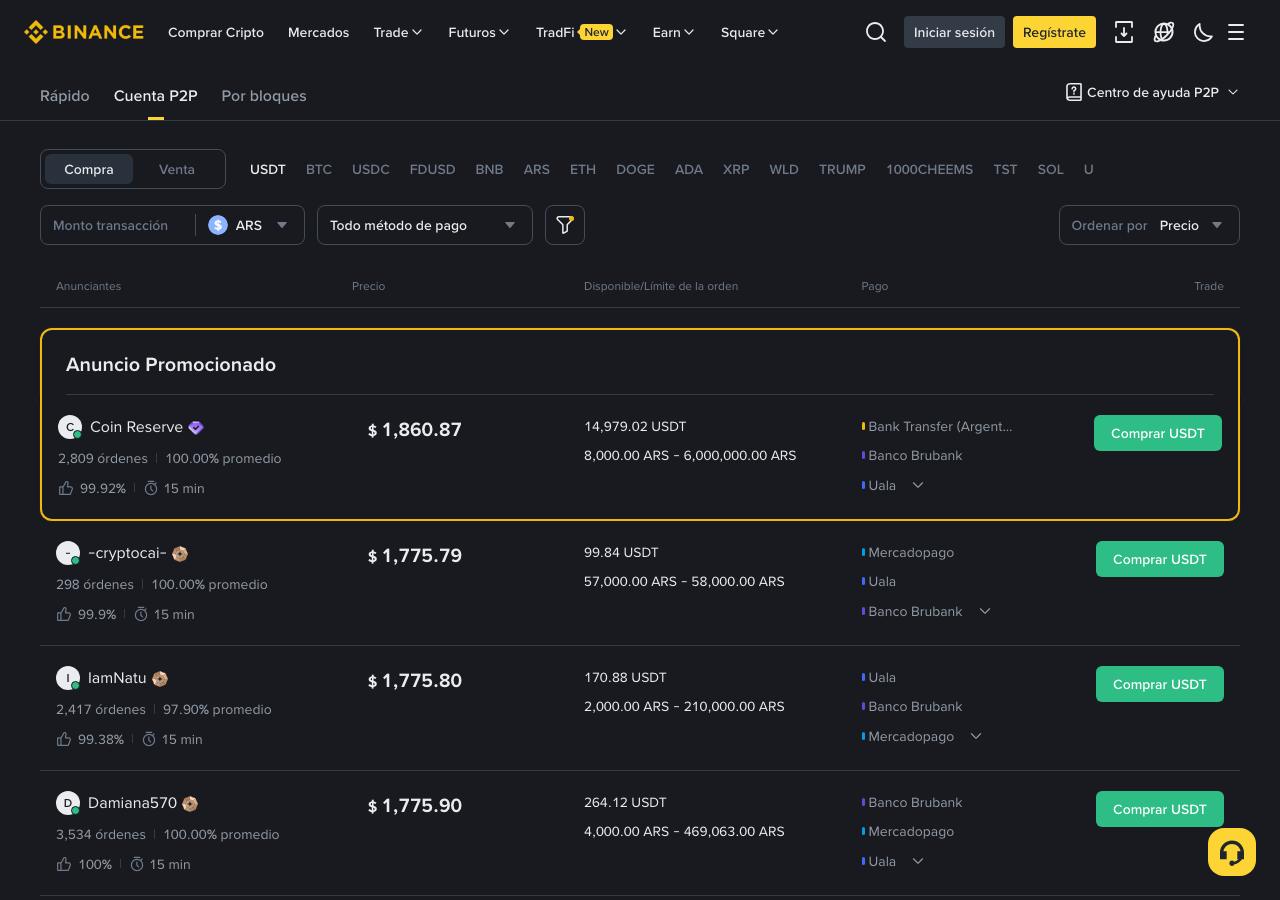
There's no official board that says what it's worth. The price comes from the P2P market (person to person): inside each exchange there's a section where individuals and merchants post ads like "selling USDT at this price" or "buying USDT at this price", with the payment methods they accept. You pick an ad, pay by bank transfer or wallet, and the exchange makes sure the USDT reaches your account.
Because there are thousands of ads, each with its own price, the crypto dollar isn't a single number: it's a range. What we usually call "the price" is the cheapest ad an ordinary buyer can actually use at that moment. That's how CoinCTC calculates it, looking at five exchanges at once and setting aside ads that require huge amounts or special conditions.
Why isn't it worth the same as the official dollar?
If USDT is worth a dollar, you'd expect it to cost the same as your country's official dollar. Sometimes it does, but often it doesn't. The reason is simple: the P2P price is set by the supply and demand of real people, not by a central bank.
When it's hard to buy dollars through official channels — because of controls, quotas, paperwork or because banks simply don't have them — people look for alternatives. USDT is one of the easiest, and that extra demand pushes its price up. The difference between the crypto dollar and the official rate is called the gap (brecha).
Where dollars circulate freely, as in Mexico or Chile, the crypto dollar usually stays very close to the official rate: if it were much more expensive, people would buy dollars at the bank instead. In Argentina, Venezuela and Bolivia the gap has been much more visible at different times, which is why "dólar cripto" or "dólar Binance" is part of everyday vocabulary there.
Buy price and sell price are not the same
Something that confuses many people: on P2P there are always two prices. The buy price is what you pay when you buy USDT (the sellers' price). The sell price is what you get when you sell (the buyers' price). The first is always a bit higher than the second.
That difference is the spread, basically the merchants' margin: they buy cheaply from people who want local currency and sell a little higher to people who want dollars. If you buy and sell on the same day, you lose that difference. That's why it pays to compare before every trade, especially with large amounts.
When a headline says "the crypto dollar is at X", it almost always means the buy price. CoinCTC shows both side by side so you know exactly what you'll pay or receive.
How to read the price before you trade
- Look at the price for your amount, not the headline. The cheapest ads often have low limits. If you want 500 USDT, what matters is the best ad that takes 500 USDT in one go, not the one that sells 20.
- The payment method changes the price. Paying with a popular wallet can cost more or less than a bank transfer, because each method has its own supply and demand.
- Each exchange is a separate market. Binance, OKX, Bybit, Bitget and HTX each have their own ads. Sometimes the difference is tiny; sometimes it's worth switching.
- The merchant's track record matters. A slightly worse price from someone with thousands of completed orders is usually a better deal than the cheapest ad from someone with no history.
- The price moves fast. In nervous currency markets the crypto dollar can move several points in an hour. Check the price right before you open an order.
Watch the network when you send USDT
USDT exists on several blockchains at once: Tron (TRC20), BNB Chain (BEP20), Ethereum (ERC20), Solana and others. It's the same USDT, but each network is a different road. While your USDT stays inside an exchange you don't need to worry about this. It matters when you send it to another wallet or exchange.
The rule is simple: the network you pick when withdrawing has to be the one the destination address accepts. If you send USDT over Tron to an address that only receives on Ethereum, you can lose it. Before sending, check which network the recipient uses, copy the full address and, the first time, send a small test amount.
Withdrawal fees also vary by network: some cost cents and others several dollars. That's why many people use Tron or BNB Chain to move USDT between exchanges.
Is buying the crypto dollar legal?
In most countries in the region, buying and selling crypto between individuals is legal, though rules differ by country and change often. Some banks dislike crypto-related transfers and may ask about large or repeated movements.
Two practical tips: always use accounts in your own name and keep the receipts of your trades. If your country taxes crypto gains, those receipts will help you file. For specific questions, ask an accountant in your country; this guide isn't legal or financial advice.
Crypto dollar, blue, MEP… which is better?
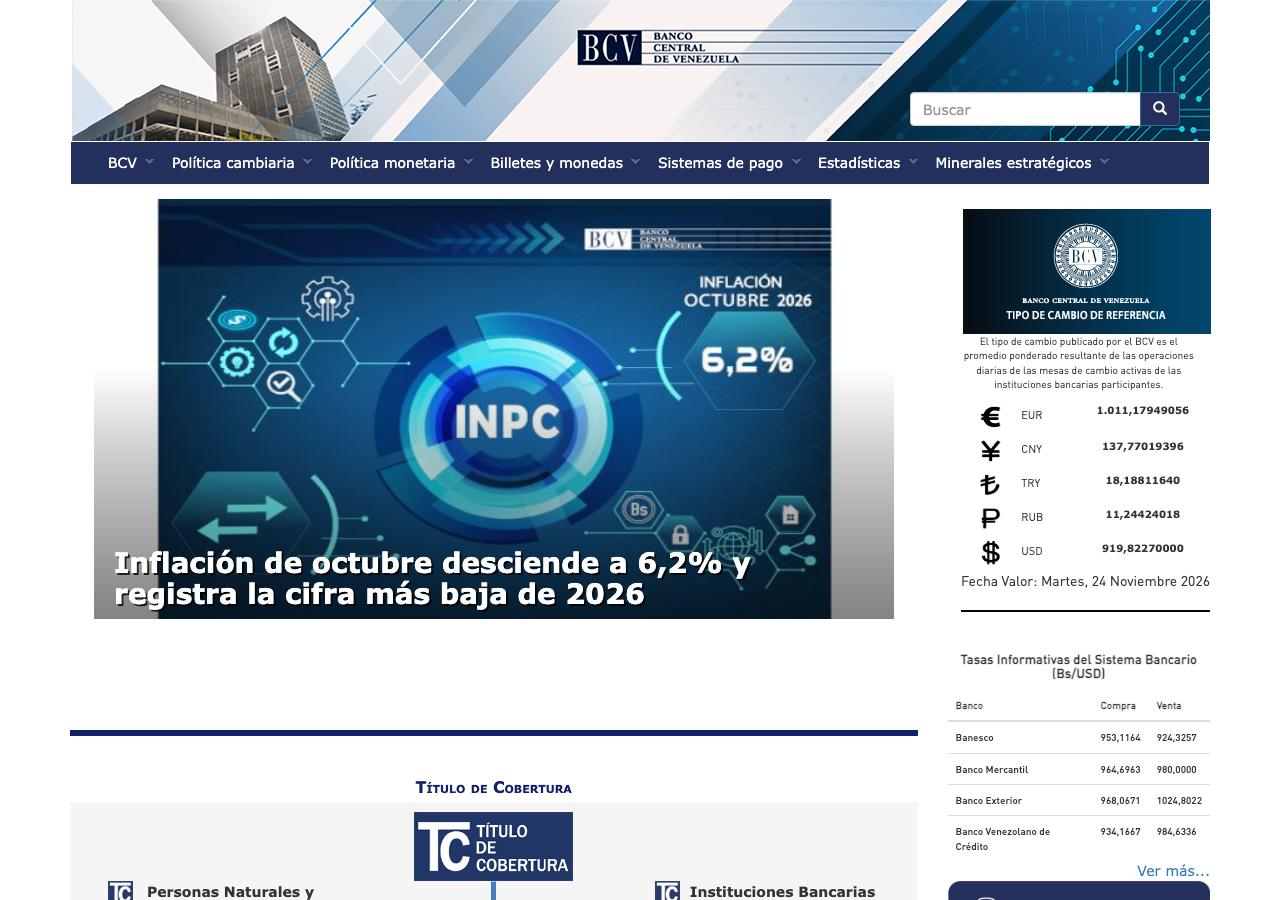
Some countries have several dollar rates at once. In Argentina, besides the official one there's the blue (the informal cash market), the MEP (obtained by buying and selling bonds) and the crypto dollar. In Venezuela people talk about the BCV dollar and the parallel rate.
There's no single answer: it depends on what you need dollars for, how much money it is and how fast you need it. The crypto dollar wins on speed (you have it in minutes, any time) and on how easy it is to send to someone; on the other hand, you depend on an exchange and a merchant. That's why each country page on CoinCTC shows the other rates next to the USDT price when they're available.
Why USDT became so popular in Latin America
High inflation, currency controls and banks that don't always sell dollars pushed many people to find their own way to save in hard currency. USDT arrived at the right time: you buy it from your phone, it doesn't need a foreign bank account and it can be sent to anyone in minutes.
Many freelancers also get paid from abroad in crypto, and families receiving remittances found USDT a fast route. All of this fed very active P2P markets across the region, with thousands of new ads every day.
Is the crypto dollar legal?
In most of Latin America, buying and holding USDT is legal for individuals, and the large exchanges operate openly in the region. Rules differ by country, though: some regulators register crypto service providers, some ask banks to report certain transfers, and tax treatment changes from one place to another.
The practical advice is the same everywhere: use well-known exchanges, pay only from accounts in your own name, keep receipts of every order and, if you move large amounts or make gains, ask an accountant how to declare them where you live. Being organized costs little and avoids problems with your bank later.
In short
The crypto dollar is the price of USDT on your country's P2P market. Nobody sets it: it comes from thousands of ads by people and merchants. It can sit right next to the official rate or well above it, depending on how easy it is to get dollars the traditional way. Before buying, look at the price for your amount and payment method, compare exchanges and pick merchants with a good track record. If it's your first time, continue with the step-by-step guide to buying USDT on P2P.